Chasing Autumn in Japan: An 18-Day Itinerary & Planning Guide
February 14, 2026
Trip Dates: Late October — Early November (18 Days) Season: Early Autumn (Koyo)
Japan's longitudinal geography means seasons progress gradually. While cherry blossoms move north to south in spring, autumn foliage starts in the North (Hokkaido) and higher elevations, moving South. For October/November visitors, consult Japan Meteorological Corporation forecasts. Early-season travelers should target higher elevations like Nikko or the Alps to catch colors before they reach cities.
Pre-Trip Logistics (From Bangalore)
Flights: Japan Airlines offers direct Bangalore-to-Tokyo service.
Cost: Approximately ₹55,000–₹65,000 for round-trip when booked 1.5–2 months ahead (higher during cherry blossom season).
Booking: JAL website or platforms like Agoda or Skyscanner.
Part 1: Tokyo (4–5 Days)
The bustling metropolis warrants extended exploration. Four to five days provides adequate time.
Top Neighborhoods to Explore:
- Shimokitazawa — Recommended for thrifting and trendy vintage fashion; considered cooler than Harajuku currently
- Gotokuji Temple — Features thousands of "beckoning cat" statues with peaceful temple grounds
- Harajuku — Famous brands and youth culture hub
- Shibuya & Shinjuku — Neon lights, scrambling crossings, and nightlife
- Akihabara — Anime, manga, and electronics center
- Asakusa — Home to historic Senso-ji Temple
- Ueno Park — Museums and park strolls
- Ginza — High-street luxury shopping
Recommended Day Trips from Tokyo:
Kamakura (1–1.5 hours away): Coastal town featuring the Great Buddha. Depart early (7–8 AM), spend the day, return by evening.
Nikko: Essential if visiting in Oct/Nov. Due to elevation, autumn arrives approximately one month earlier than Tokyo, delivering stunning orange and yellow foliage.
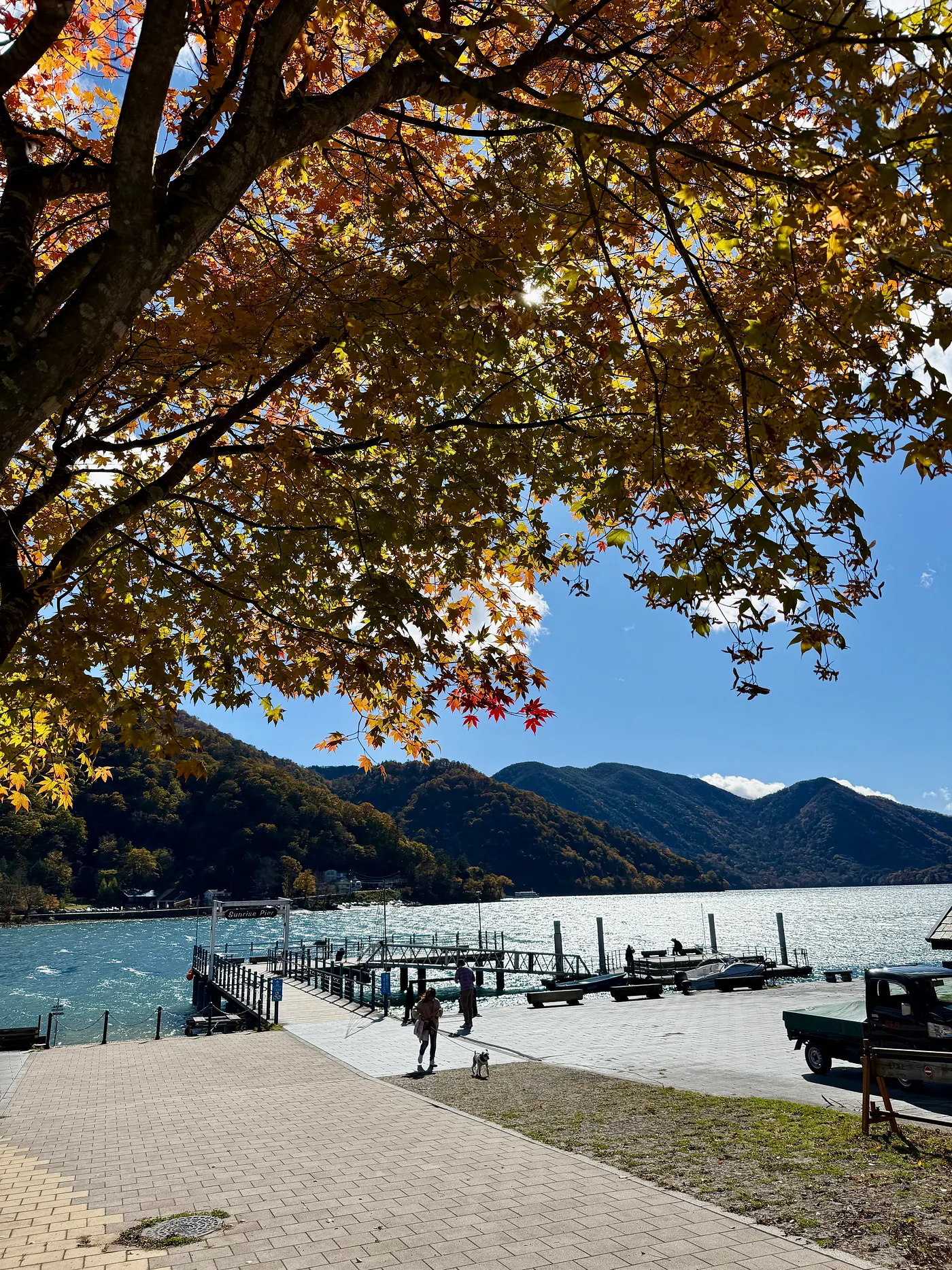 Nikko (3 hour train from Tokyo, recommended during autumn)
Part 2: The "Offbeat" Side Quest (2 Days)
Location: Fukuyama & Tomonoura
After Tokyo, I traveled to Fukuyama to visit the small port town of Tomonoura.
The Highlight: The Shimanami Kaido cycling route — an 80km path connecting the main island to Shikoku via bridges crossing the Seto Inland Sea.
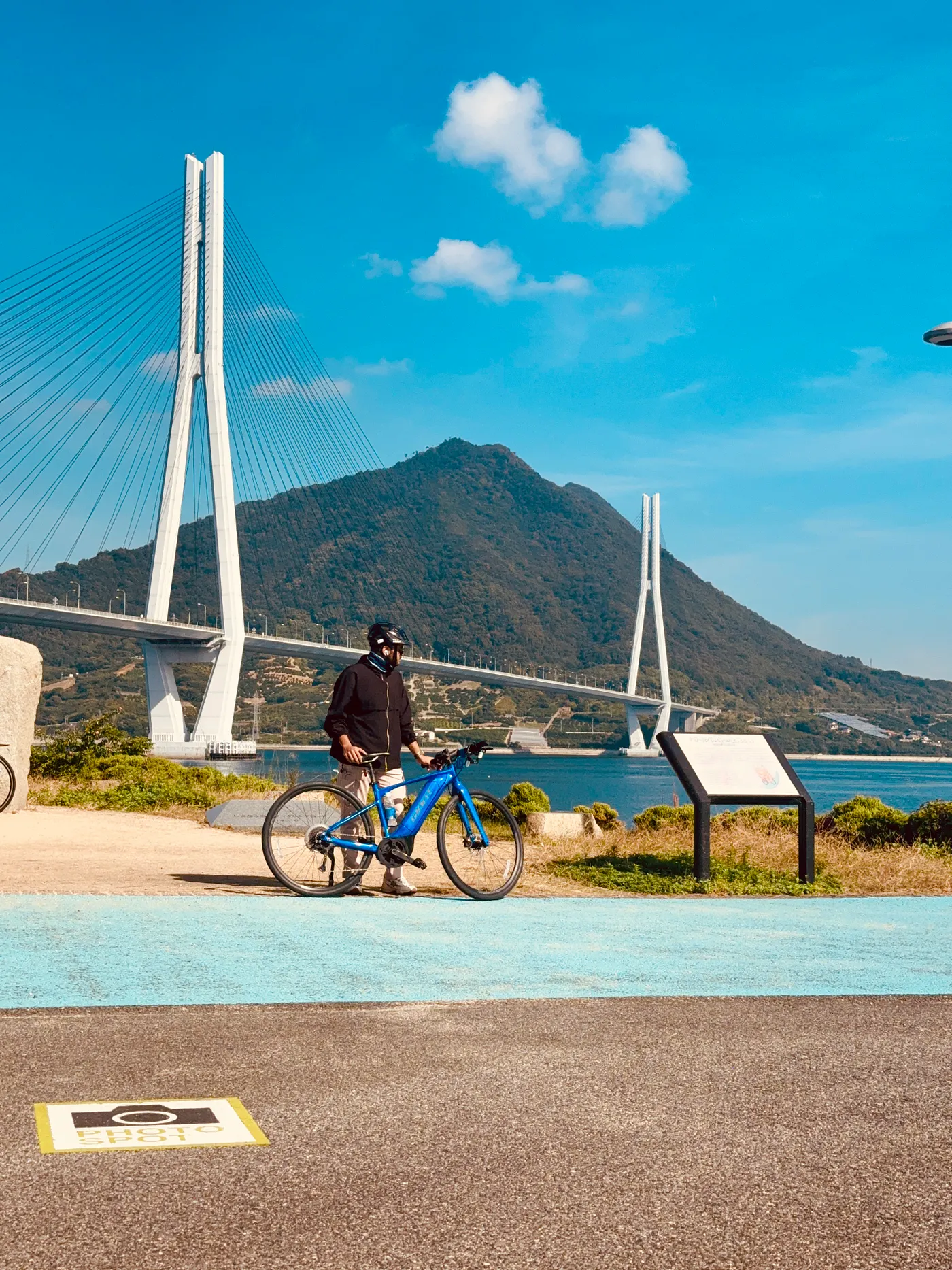 Shimanami Kaido 80km
Completed in one day (intense); ideally split over 2–3 days for better enjoyment.
First-Timer Tip: If this is your first trip to Japan and you aren't huge on cycling, skip this and visit Hiroshima instead. It's easily accessible from Osaka/Kyoto.
Part 3: The Kansai Base (5–7 Days)
Base Location: Kyoto (Recommended) or Osaka
Rather than hotel-hopping, establish a base in Kyoto or Osaka (30–45 minutes apart by train). I chose Kyoto for its old-world cultural atmosphere.
Exploring Kyoto:
- Gion — The Geisha district
- Ninenzaka & Sannenzaka — Preserved historic streets
- Philosopher's Path — A peaceful stone path along a canal, beautiful during cherry blossom season
- Fushimi Inari — Famous thousands of Torii gates
- Kyoto Station Skyway — A hidden gem with a fantastic, futuristic view of the city
- Food — Kyoto is famous for Tofu and is excellent for vegetarians; a traditional Tea Ceremony is highly recommended
- Arashiyama (Bamboo Forest) — Incredibly crowded and overhyped if you dislike masses
Day Trips from Kyoto Base:
Osaka: Visit Dotonbori for street food and Katsuoji Temple (famous for Daruma dolls).
Nara: Famous for bowing deer and a giant Buddha.
Amanohashidate & Ine (book via Klook, ~3 hours away):
- Ine — Known as "Kyoto by the Sea," featuring unique traditional boat houses
- Amanohashidate — A sandbar resembling a bridge to heaven, with a viewing deck that's worth the trip
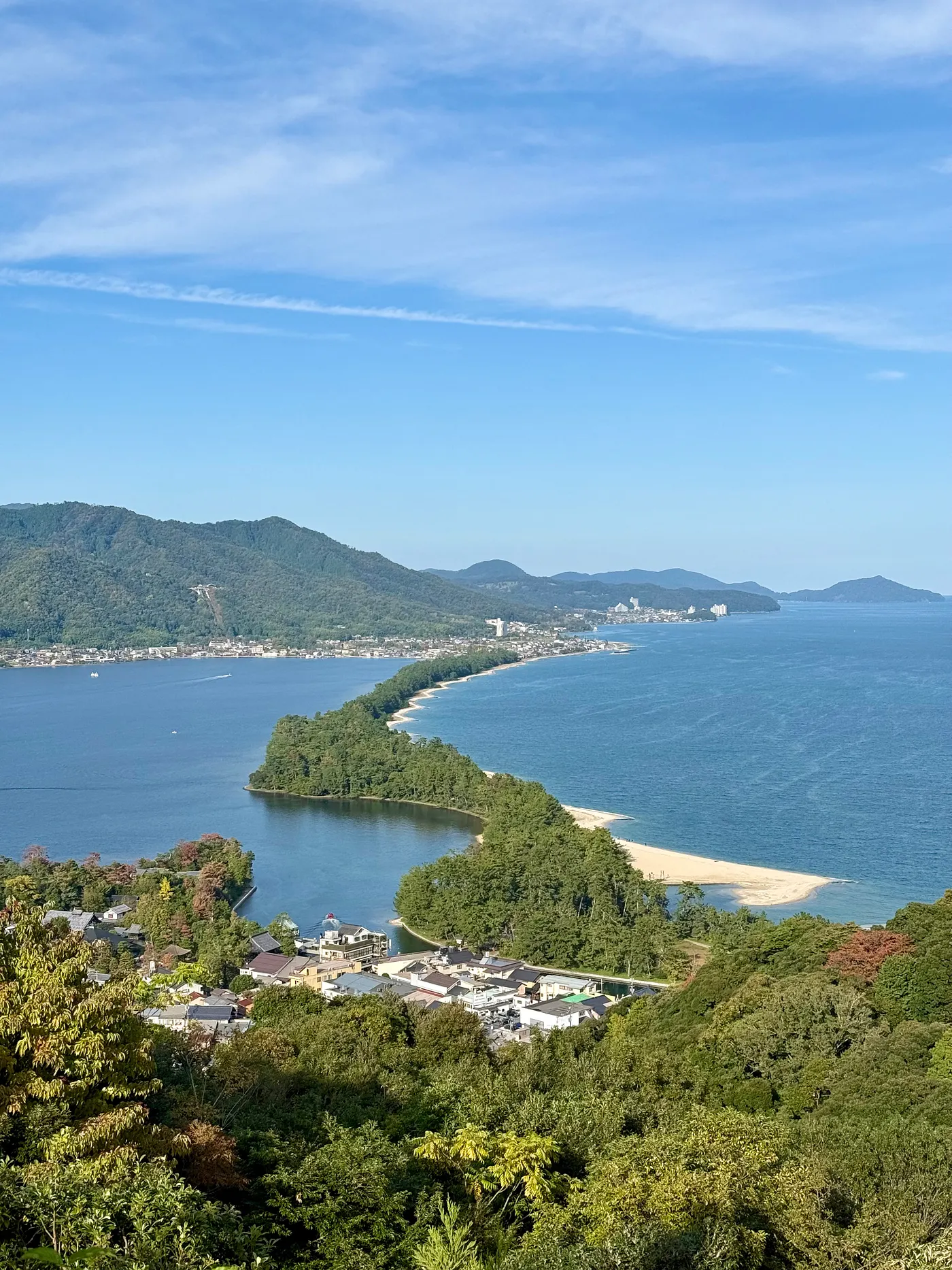 Amanohashidate
Part 4: The Japanese Alps & Mt. Fuji
My Route (The Hectic Way):
Kyoto → Matsumoto (Nagano) → Kamikochi (Japanese Alps) → Kawaguchiko (Mt. Fuji) → Tokyo
Matsumoto and Kamikochi offer stunning alpine views and are worth it for nature enthusiasts. The problem: getting from Matsumoto to Kawaguchiko requires multiple transfers and is exhausting with luggage.
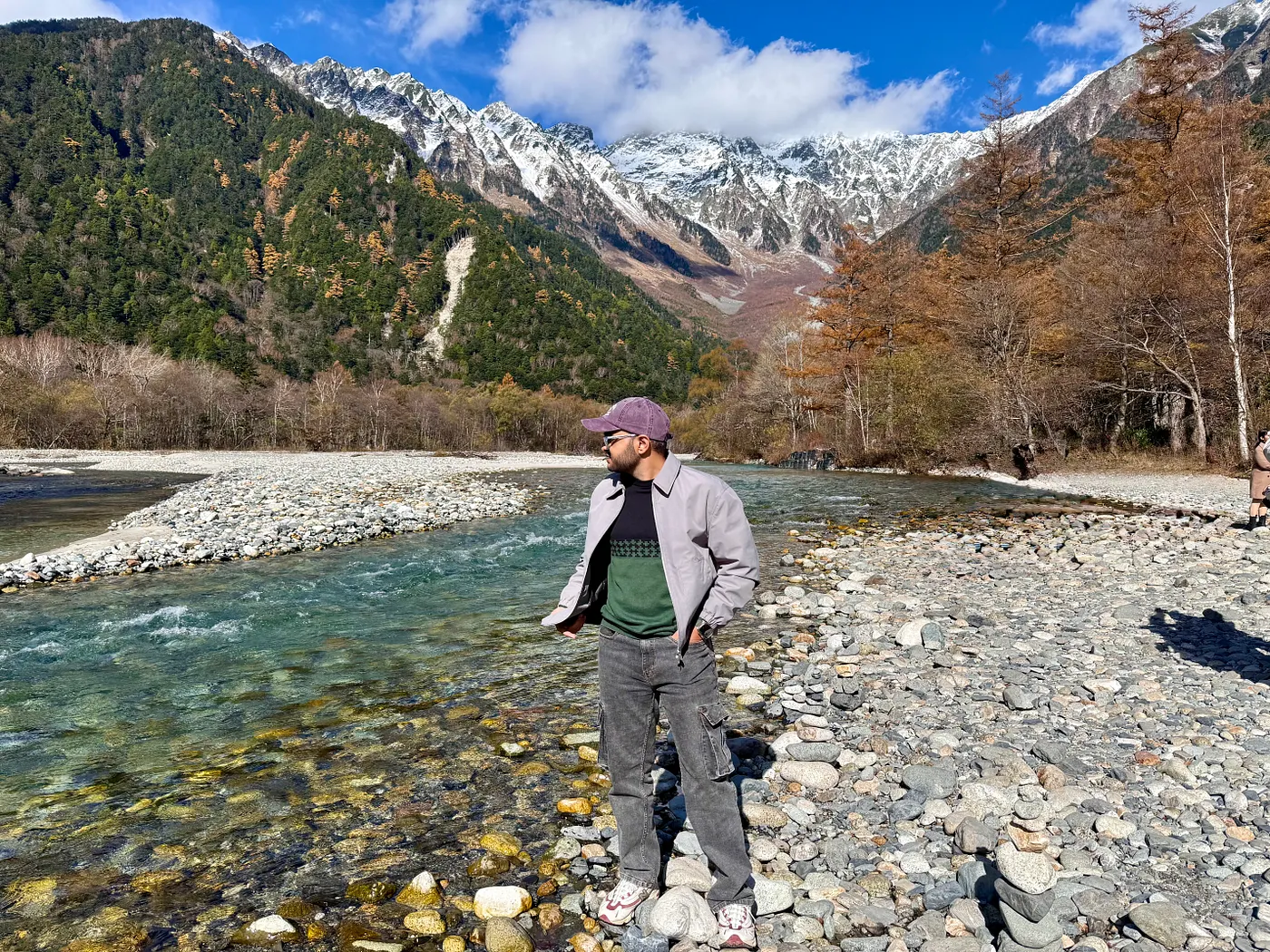 Kamikochi
The Smarter Alternative:
Keep Kawaguchiko as a Tokyo day trip rather than part of a circuit.
Why? The Fuji Forecast Strategy:
Mt. Fuji is notoriously shy — clearly visible only about 80 days a year. Booking months in advance risks cloud-obscured views.
Instead:
- Extend your Tokyo stay by one or two days
- Monitor weather forecasts for Kawaguchiko 1–2 days ahead
- If the forecast says "Sunny/Clear" for the next day, hop on a bus or train from Shinjuku early in the morning
- Poor weather throughout the week? Explore more of Tokyo instead
This dramatically increases your chances of actually seeing the mountain.
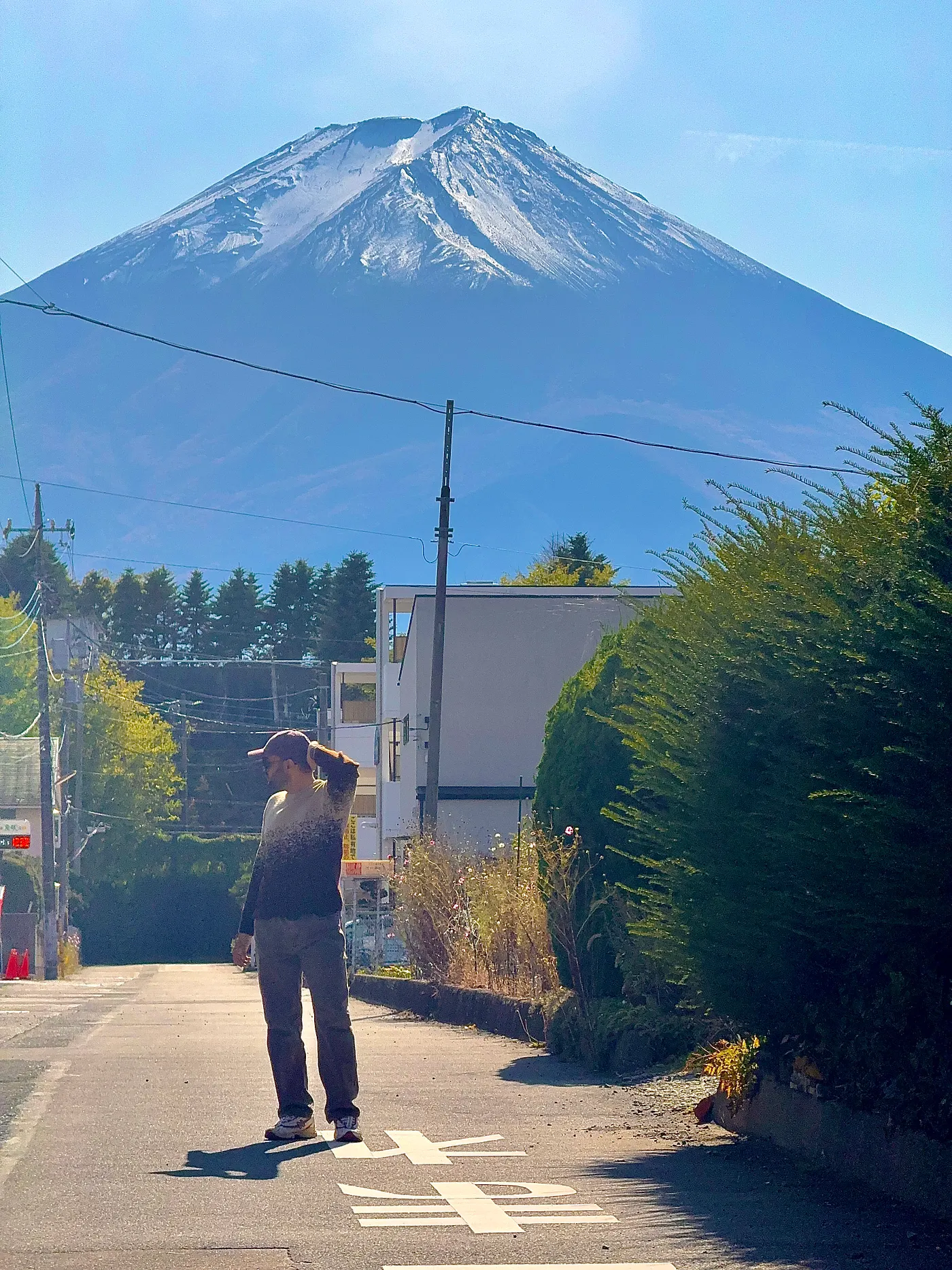 Caught clear Mt Fujisan
Summary Timeline (18 Days)
Final Tips
Crowds: Kyoto is suffering from over-tourism. Start your days very early (6:00 AM) to enjoy the beauty without the masses.
Google Maps lists I pinned:
More recs: Food recommendations and hidden gems on Instagram @adarshinde_.